


Suppose your local newspaper has competition where to win a prize you must choose the six most beautiful faces out of a hundred photographs. How could you judge which entry was most accurate? The prize would go to the entrant whose choice most closely aligned with all competitors’ preferences. In that case, each person’s strategy would be not to decide which images they found most attractive, but which they think the other competitors will find most appealing. Since every entrant is reasoning in the same way, each must try to anticipate not just others’ preferences, but what others think everyone else will prefer.
This is a, thankfully, antiquated type of newspaper puzzle and these days readers are more likely to start their day with Wordle, but the example, from John Maynard Keynes, will be familiar to anyone with a passing interest in the history of economics.
In a ‘Keynesian beauty contest’, “it is not a case of choosing those which, to the best of one’s judgment, are really the prettiest, nor even those which average opinion genuinely thinks the prettiest. We have reached the third degree where we devote our intelligences to anticipating what average opinion expects the average opinion to be. And there are some, I believe, who practise the fourth, fifth and higher degrees.” [The General Theory of Employment, Interest and Money, Chapter 12]
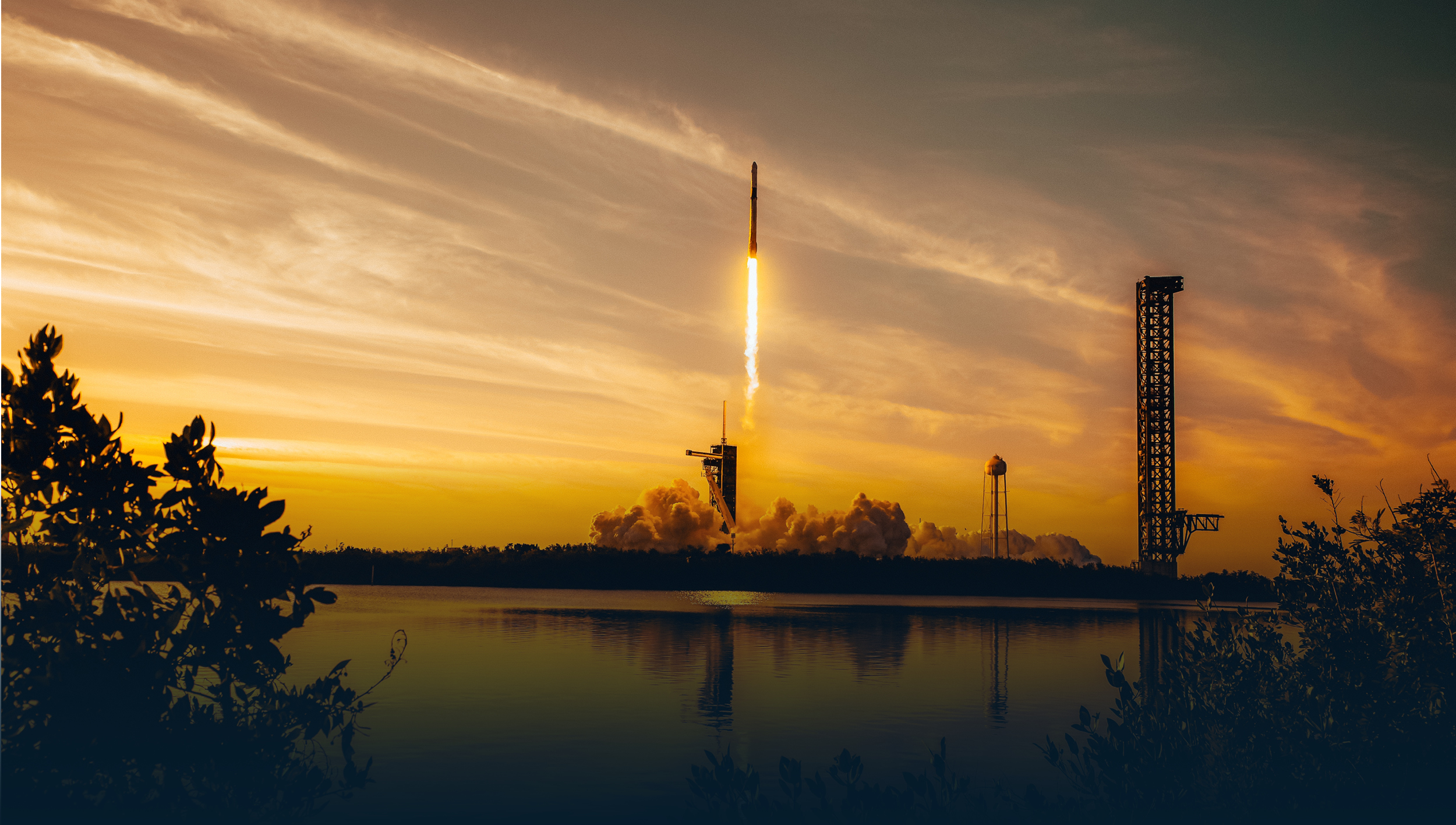
Meanwhile, on the internet, investors are scrambling to get their hands on SpaceX.
CNBC reports one prospective investor’s reasoning about the company’s evaluation: “It’s outrageous. It’s stupid. It’s unreasonable, to be frankly honest with you.”
So, naturally, he has requested an allocation of 1,000 shares, “betting enthusiasm for one of the world’s most anticipated initial public offerings will overwhelm concerns about price.”
As a punt on retail investor sentiment, it’s an informed one. While institutional investors may have a cooler view of the offering, demand for the stock on retail platforms speaks for itself.
Of course, not all investors are practicing third order reasoning, they just believe in the mission, seeing the SpaceX offer as a chance to buy into a literal moonshot that could reshape humanity, and take economic growth beyond Earth. (For an extreme version of the contrary view, see Paul Krugman’s blog post entitled ‘Elon Musk, Human Ponzi Scheme’.)
Ultimately, the market will decide on SpaceX’s value. For now, let’s look beyond the beauty contest and consider what the IPO boom might mean for the investing landscape. After all, it’s not just SpaceX. OpenAI and Anthropic are set to debut with major IPOs in the months ahead.
- The end of stock scarcity?
The IPO boom is a symbol of AI fever, but it also marks a reversal of a trend in US equity markets. As characterised in Bloomberg, in recent years, “a defining feature of the US stock market has been scarcity … with buybacks by S&P 500 companies alone erasing nearly $12 trillion worth.”
Bloomberg analysts suggest this trend could be reversing, pointing out that firms are shifting from buying back stocks to instead raising capital via equity markets.
- Can there be only one?
We know the trend is real when even Alphabet, perhaps the paradigmatic example of a tech giant that spent more buying back its own stock than on rolling out infrastructure, is raising capital on equity markets.
But is this an arms race to be the top dog in the AI world, or is it a fight to the death? AI watchers see Berkshire Hathaway’s $10 billion additional investment in Alphabet as a sign of confidence in the emerging industry. But is it a sign they’ve chosen a winner? And will it be winner takes all?
- Bankrolled by crypto?
As noted above, retail investors are hungry for SpaceX. There’s every chance many of them will want a piece of OpenAI and Anthropic, too. That money has to come from somewhere, which could mean selling crypto to fund equity purchases, which could negatively affect the price of Bitcoin and other digital assets, at least in the short term.
- Liquidity rotation risk (and passive flows)
Mega IPOs don’t just add supply, they reshuffle demand. Their size matters less for retail attention and more for what happens next: as new listings enter indices, passive funds become forced buyers, often funded by selling incumbents. The controversy over SpaceX’s eligibility for inclusion in major indices makes the stakes clear. After all, index inclusion determines access to trillions in automatic capital.